


In this article
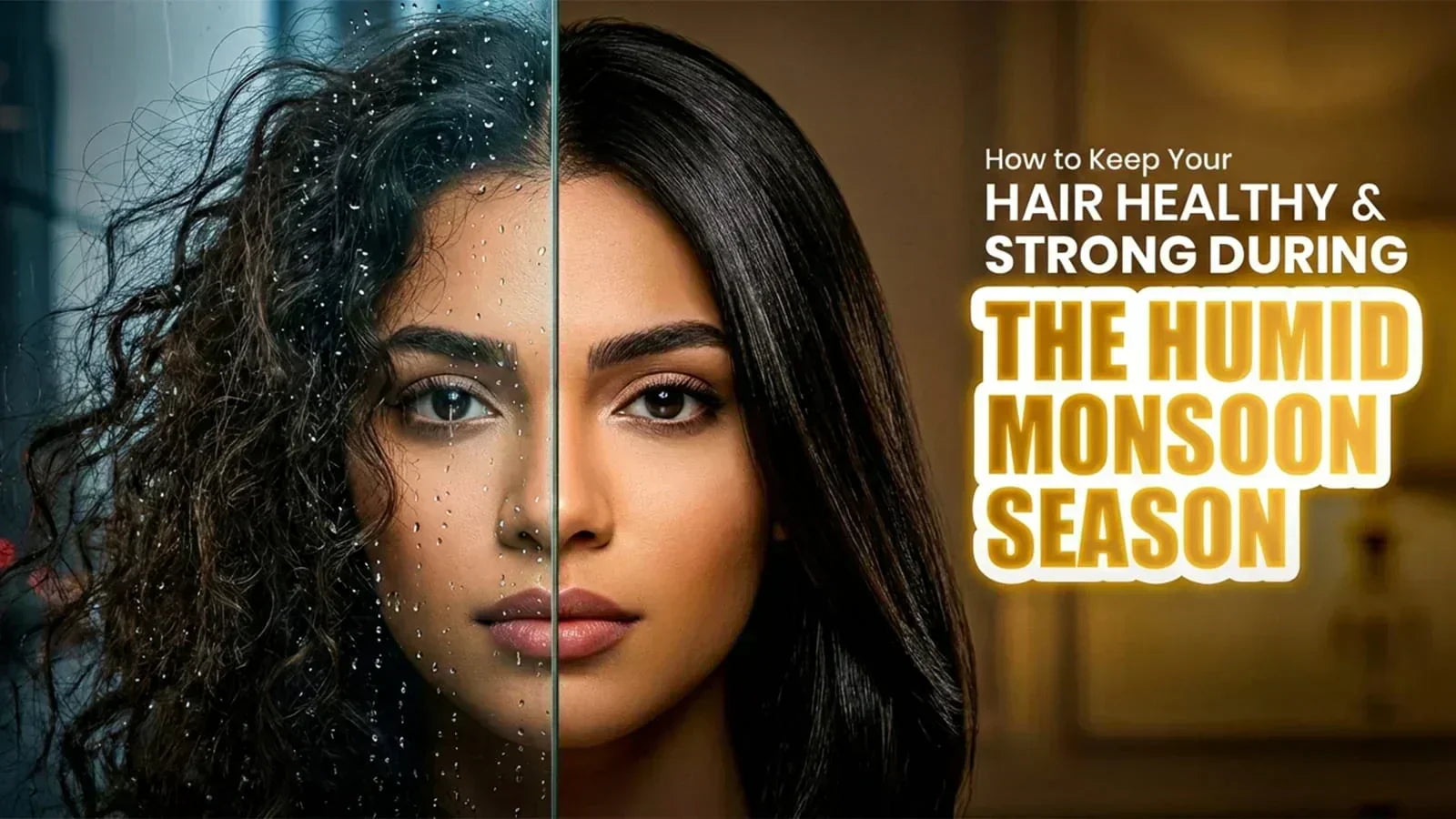
The monsoon season brings welcome relief from heat, but for many people in India, it also brings hair troubles. Excess humidity, frequent sweating, damp scalp, and sudden weather changes can lead to hair fall, frizz, itchy scalp, dandruff, and even fungal infections. Many people notice that their hair becomes unmanageable, weak, and lifeless during this season, despite following their usual hair care routine.
The truth is, monsoon hair problems are less about products and more about habits, hygiene, nutrition, and lifestyle choices. Small mistakes like tying wet hair, skipping scalp cleaning, or ignoring diet can quietly damage hair health over time. This blog explains why hair behaves differently during humid weather and what you can realistically do about it. Using practical examples from Indian climate and daily life, it shares easy, natural, and expert-backed tips to help you maintain strong, healthy hair throughout the rainy season—without complicated routines or unrealistic promises.
Why Monsoon Humidity Affects Hair Health
Monsoon humidity changes how your scalp and hair behave. The air carries more moisture, which causes hair strands to absorb water and swell. This leads to frizz, rough texture, and breakage. At the scalp level, excess sweating and dampness create an ideal environment for bacteria and fungi to grow. In Indian weather conditions, where rains can be sudden and prolonged, hair often stays wet or moist for long hours, weakening the roots over time.
Common Hair Problems During the Rainy Season
Hair fall is one of the most common complaints during the monsoon. Many people also experience increased dandruff, an itchy scalp, greasy roots, and dry ends at the same time. Frizz and tangles become harder to manage, especially for people with long or wavy hair. These problems often happen together because the scalp is overloaded with moisture while hair lengths lose their natural balance.
Understanding the Link Between Scalp Health and Hair Strength
Healthy hair starts with a healthy scalp. During the monsoon, sweat, dirt, pollution, and rainwater can clog hair follicles. When follicles are blocked, hair growth slows down, and hair becomes weaker. Ignoring scalp health during this season often leads to seasonal hair shedding, which many people mistake for permanent hair loss.
How Excess Moisture Triggers Hair Fall and Frizz
Excess moisture weakens the protein structure of hair. Hair strands become more elastic, stretch easily, and break faster when combed or tied tightly. At the same time, scalp moisture loosens hair roots, increasing daily hair fall. This is why hair tends to feel soft but fragile during humid weather.
Scalp Infections and Dandruff in Monsoon
Fungal infections are more common during the monsoon because fungi thrive in warm and moist conditions. If the scalp is not dried properly, itching and flaky dandruff can worsen. Many people scratch their scalp unknowingly, which further damages hair roots and increases breakage.
Importance of Hair Hygiene During Humid Weather
Maintaining hair hygiene during the monsoon is not about washing daily, but about washing smartly. A clean scalp reduces the risk of infections and excessive oil buildup. However, overwashing can strip natural oils and make hair dry and weak. Balance is key, especially in Indian climates where humidity levels remain high for days.
Washing Hair the Right Way in Monsoon
Hair should be washed with clean, preferably lukewarm water to remove sweat and pollutants. It is important to dry hair completely before tying it or going outdoors. Sleeping with wet hair or tying damp hair is one of the biggest reasons for scalp problems during the monsoon.
Role of Nutrition in Hair Health
Hair health is closely linked to what you eat. During the monsoon, digestion often becomes weak, affecting nutrient absorption. Lack of protein, iron, zinc, and vitamins can silently contribute to hair fall. A balanced Indian diet with dal, green vegetables, fruits, nuts, and seeds supports hair strength from within.
Lifestyle Habits That Weaken Hair During Monsoon
Stress, irregular sleep, and poor hygiene habits indirectly affect hair health. Many people exercise less during rainy days, leading to poor blood circulation. Wearing helmets or covering wet hair for long hours can also trap moisture and heat, harming the scalp.
Natural Ways to Protect Hair from Humidity
Simple habits like oiling the scalp lightly, using a wide-tooth comb, and letting hair air-dry indoors can make a big difference. Traditional practices such as gentle head massage improve blood circulation and relax the scalp. Avoiding harsh chemical treatments during the monsoon helps hair recover naturally.
Comments (0)