


In this article
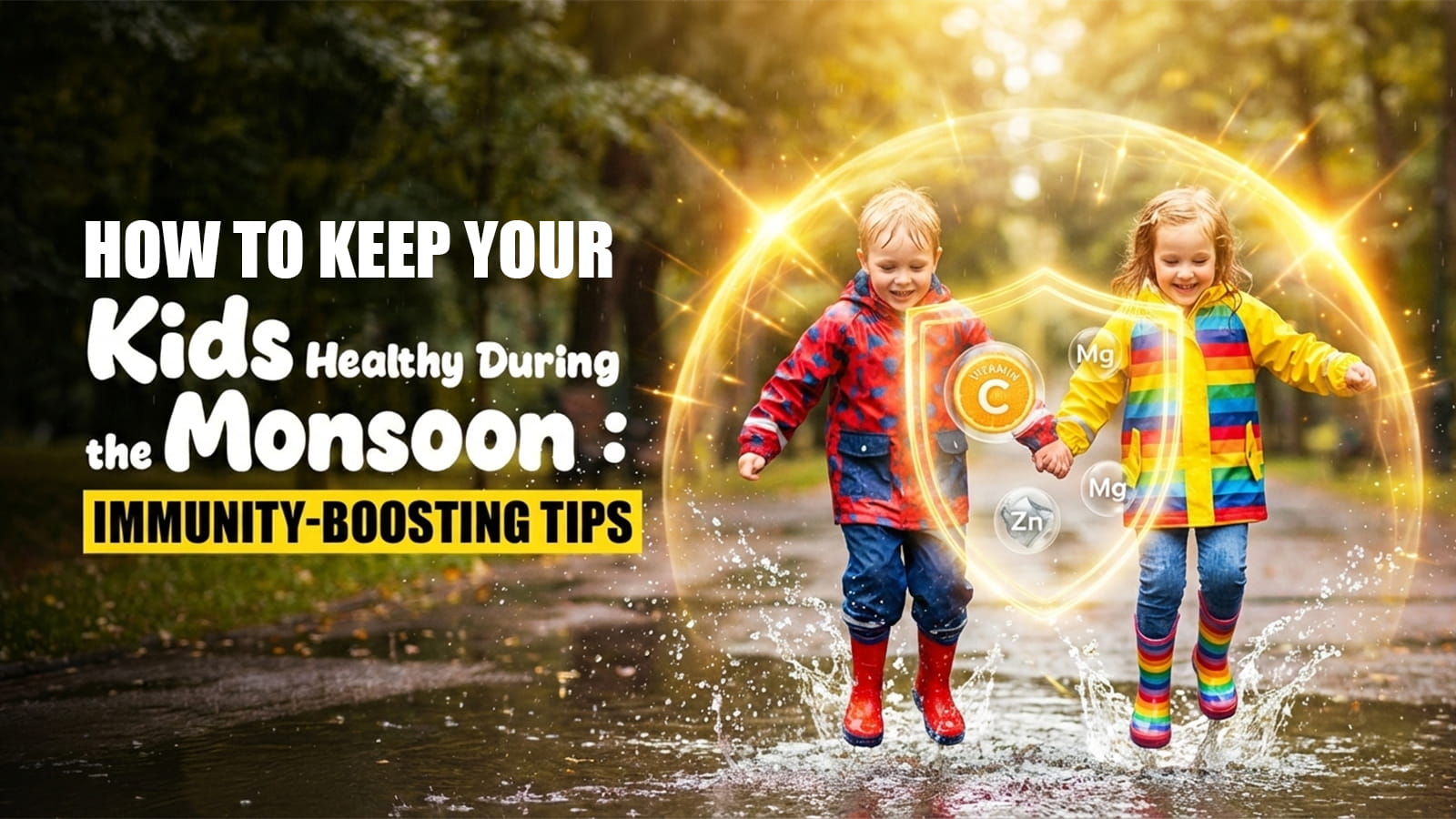
The monsoon season brings relief from summer heat, but for parents, it also brings constant worry about their children’s health. Increased humidity, stagnant water, and sudden weather changes create the perfect environment for infections, digestive issues, and frequent colds. Children, especially younger ones, have developing immune systems, making them more vulnerable during this time. Many parents struggle with recurring fevers, coughs, stomach infections, and low energy levels in their kids throughout the rainy months. This blog is a practical, easy-to-understand guide designed for Indian families to help keep children healthy during the monsoon. It explains why kids fall sick more often during this season and shares realistic solutions tailored to the Indian lifestyle and climate. From everyday hygiene habits and nutrition tips to natural immunity-boosting practices and common mistakes parents unknowingly make, this guide focuses on prevention rather than treatment. Whether your child goes to school, daycare, or stays at home, these simple steps can help strengthen immunity and reduce illness during the monsoon months.
Why Monsoon Affects Children’s Health More
The monsoon season in India creates a unique mix of high humidity, fluctuating temperatures, and increased microbial growth. For children, this environment can be challenging because their immune systems are still developing. Stagnant rainwater promotes bacterial growth and mosquito breeding, while damp conditions encourage viral and fungal infections. Children often play on wet surfaces, touch contaminated objects, or forget to wash their hands properly, increasing the risk of illness. Another reason kids fall sick easily during the monsoon is sudden temperature change. A warm morning followed by a cool, rainy evening can confuse the body’s natural temperature regulation, making children more prone to colds, coughs, and fevers.
Common Health Problems Kids Face During Monsoon
During the rainy season, parents frequently notice repeated health issues in their children. Viral infections like the flu and the common cold become more frequent because airborne viruses thrive in humid air. Digestive problems such as diarrhea and stomach infections occur because food and water are easily contaminated. Skin infections are also common, as constant moisture promotes fungal growth, especially in areas such as the feet, underarms, and neck folds. Mosquito-borne diseases such as dengue and malaria remain a major concern in many parts of India during the monsoon.
Understanding Low Immunity in Children
Immunity is the body’s natural defense system against infections. In children, this system is still learning how to fight germs. Poor nutrition, irregular sleep, stress, and repeated infections can weaken the immune system over time. During the monsoon, exposure to germs increases, and if immunity is already low, children tend to fall sick repeatedly. Many parents assume frequent illness is “normal,” but recurring infections can affect a child’s growth, school attendance, and overall well-being. Consistently supporting immunity, not just during illness, is important.
Importance of Nutrition During the Rainy Season
Nutrition plays a major role in keeping kids healthy during the monsoon. Seasonal changes affect digestion, and children may feel less hungry or crave junk food. However, this is the time when their bodies need balanced nutrition the most. A diet rich in vitamins, minerals, and antioxidants helps the immune system respond better to infections. Indian home-cooked meals, when prepared hygienically, provide essential nutrients that support immunity and digestion during the monsoon.
Best Foods to Support Kids’ Immunity in Monsoon
Freshly cooked food is always safer during the rainy season. Warm meals like dal, khichdi, vegetable soups, and lightly spiced curries are easy to digest and nourishing. Fruits rich in vitamin C, such as oranges, guava, and amla, help strengthen immunity. Including probiotic foods like curd supports gut health, which is closely linked to immunity. Parents should ensure vegetables are washed thoroughly and cooked properly to remove germs and pesticides.
Hygiene Habits That Prevent Infections
Good hygiene is one of the most effective ways to prevent monsoon illnesses. Simple habits like washing hands before meals, after using the toilet, and after outdoor play can significantly reduce the risk of infection. Clothes, socks, and shoes should be dried properly to avoid fungal infections. Parents should also keep children’s nails short and clean, as dirt under nails often carries germs. Teaching kids basic hygiene in a calm, consistent way makes these habits last longer.
Natural Ways to Strengthen Immunity
Traditional Indian practices emphasize prevention through natural methods. Adequate sunlight exposure when possible, warm baths, and steam inhalation under supervision can help maintain respiratory health. Herbal drinks, such as mild turmeric milk or ginger water, given occasionally, may support overall wellness. However, these should be age-appropriate and not forced on children.
What Parents Should Avoid During Monsoon
One common mistake parents make is allowing their children to eat too much street food during the monsoon. Even if it looks tempting, roadside food carries a high risk of contamination during the rains. Another mistake is ignoring mild symptoms, assuming they will go away on their own. Overuse of antibiotics without medical advice should also be avoided, as it can weaken immunity in the long run.
Indoor Activities to Keep Kids Active and Healthy
Rainy days often limit outdoor play, reducing physical activity. Lack of movement can affect digestion, mood, and immunity. Simple indoor activities like yoga for kids, stretching, dancing, or active games help keep the body moving. Physical activity improves blood circulation and supports immune function, even when children cannot step outside.
When to Consult a Doctor
If a child has persistent fever, severe diarrhea, breathing difficulties, or unusual tiredness, seek medical advice immediately. Early consultation prevents complications and ensures proper treatment. Parents should trust their instincts—if something feels off, it’s better to consult a healthcare professional.
Comments (0)