

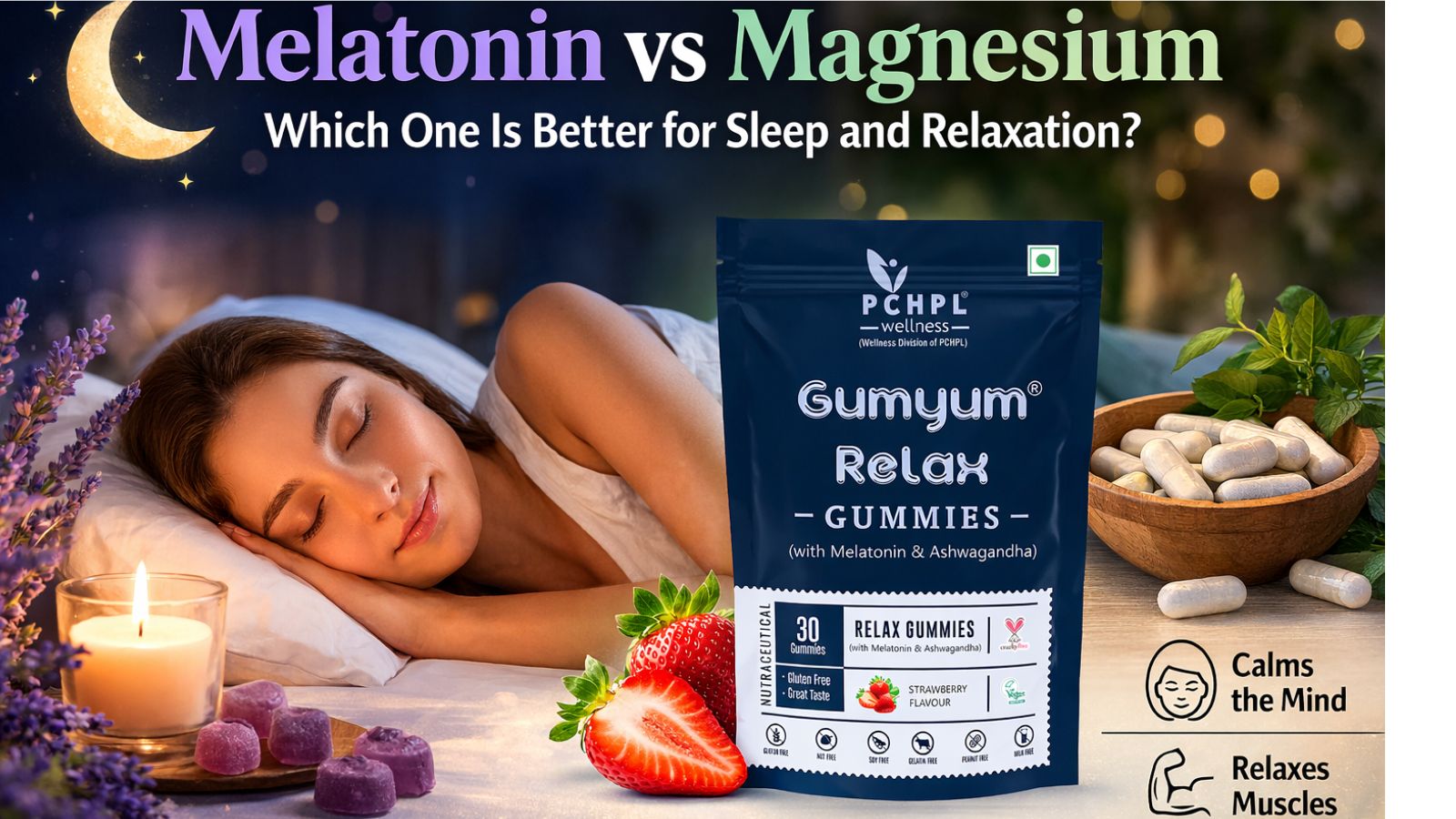
Why Sleep Health Matters More Than Ever
One of the most crucial components of general wellness is sleep. It enables the body to replenish energy, heal damaged cells, and maintain mental clarity for the next day. Unfortunately, a lot of individuals today have trouble falling asleep because of stress, hectic work schedules, and excessive screen time. Mood, productivity, and even physical health can all be impacted by sleep deprivation. Inadequate sleep can eventually lead to weariness, compromised immunity, and trouble focusing. People are looking more and more for natural approaches to encourage good sleep patterns as a result of these difficulties. Melatonin and magnesium are two nutrients that are often mentioned while talking about sleep. Knowing the differences between magnesium and melatonin for sleep might help people select a supplement that fits their unique requirements and way of life.
What Is Melatonin and How Does It Work?
The body naturally produces the hormone melatonin. It is essential for controlling the circadian rhythm, or sleep-wake cycle. The brain releases melatonin when it gets dark in the evening, indicating that it's time to get ready for bed. However, this natural process is frequently disrupted by modern lifestyles. Melatonin production can be interfered with by bright light exposure, smartphone use, and inconsistent sleep cycles. This could make it harder to fall asleep. Supplements containing melatonin are intended to promote this organic sleep cycle. People who suffer from jet lag, erratic work schedules, or sporadic sleep difficulties frequently utilise them. Melatonin is typically regarded as the supplement that directly affects the body's internal sleep schedule when compared to magnesium glycinate.
What Is Magnesium and Why Is It Important?
Magnesium is an essential mineral involved in hundreds of processes within the body. It supports muscle function, nerve signaling, and energy production. One of its lesser-known roles is helping the body relax and prepare for rest. Magnesium contributes to the regulation of neurotransmitters that promote calmness and relaxation. This makes it particularly helpful for individuals who struggle with stress-related sleep difficulties. When the body has adequate magnesium levels, it becomes easier for muscles to relax and for the nervous system to calm down. Because of these effects, magnesium supplements are often recommended as part of a nighttime wellness routine. When comparing melatonin vs magnesium for sleep, magnesium is generally viewed as supporting relaxation rather than directly controlling the sleep cycle.
Melatonin vs Magnesium for Sleep: Key Differences
Although both supplements support better rest, they work in different ways. Melatonin primarily regulates the body’s internal clock, helping signal when it is time to sleep. Magnesium, on the other hand, promotes relaxation and helps reduce physical tension that may interfere with sleep. For people who struggle with falling asleep due to irregular schedules or late-night screen exposure, melatonin may provide helpful support. It helps the brain recognize when it is time to wind down. Magnesium is often more suitable for individuals who feel mentally or physically tense at night. Supporting muscle relaxation and calming the nervous system, it can make it easier to drift into sleep naturally. Understanding these differences is important when evaluating melatonin vs magnesium for sleep and deciding which supplement might be more beneficial.
Melatonin vs Magnesium Glycinate Explained
Magnesium supplements come in different forms, and one of the most popular for sleep support is magnesium glycinate. This form combines magnesium with the amino acid glycine, which is known for its calming properties. When discussing melatonin vs magnesium glycinate, the comparison often focuses on how the body absorbs and uses these supplements. Magnesium glycinate is known for being gentle on the digestive system and highly absorbable. Many people prefer magnesium glycinate because it supports both muscle relaxation and mental calmness. Unlike melatonin, which primarily affects the sleep-wake cycle, magnesium glycinate works more broadly to support overall relaxation and nervous system balance. For individuals looking for a more gradual and natural approach to improving sleep quality, magnesium glycinate is often considered a helpful option.
Is Melatonin or Magnesium Better for Kids?
Parents sometimes wonder whether melatonin or magnesium is more appropriate for children who experience occasional sleep difficulties. In general, both supplements should be used carefully and ideally with guidance from a healthcare professional. The comparison of melatonin vs magnesium glycinate for kids often depends on the underlying cause of sleep issues. If a child struggles with irregular sleep schedules, melatonin may sometimes be recommended to help regulate the sleep cycle. Magnesium may be considered when sleep problems are related to restlessness or difficulty relaxing before bedtime. Because magnesium supports muscle relaxation and nervous system balance, it may contribute to a calmer nighttime routine. However, children’s supplements should always be selected carefully, ensuring safe ingredients and appropriate dosages.
Benefits of Magnesium for Relaxation and Stress
Magnesium is often associated with relaxation because of its influence on the nervous system. It supports the production of neurotransmitters that help calm the brain and reduce stress levels. For people with busy lifestyles, stress is one of the most common reasons for poor sleep. When the mind remains active late into the night, falling asleep can become difficult even when the body feels tired. Magnesium may help by encouraging a state of relaxation. It can also support muscle recovery and reduce tension accumulated during the day. These benefits make magnesium a popular supplement among individuals who want to improve both sleep quality and overall wellness.
When Should You Choose Melatonin Instead?
While magnesium supports relaxation, melatonin may be more suitable for people who struggle with sleep timing. This includes individuals who work late shifts, travel frequently, or experience jet lag. In these situations, the body’s internal clock may become misaligned with the natural day-night cycle. Melatonin supplements can help signal to the brain that it is time to prepare for sleep. When evaluating melatonin vs magnesium glycinate, the decision often depends on the root cause of sleep difficulties. Melatonin helps regulate sleep timing, while magnesium supports relaxation and stress management. Some people may even use both supplements at different times depending on their needs.
Natural Ways to Improve Sleep Quality
Supplements can be helpful, but healthy sleep habits are equally important. One of the simplest ways to improve sleep is to maintain a consistent bedtime routine. Going to bed and waking up at the same time each day helps regulate the body’s internal clock. Reducing screen exposure before bedtime can also improve sleep quality. The blue light from smartphones and computers may interfere with natural melatonin production. Creating a relaxing evening environment can make a big difference as well. Reading a book, taking a warm shower, or practicing gentle stretching can help signal to the body that it is time to unwind. When combined with the right supplements, these habits can significantly improve sleep quality.
Choosing the Right Supplements for Your Wellness Routine
When selecting a sleep supplement, it’s important to consider quality, ingredients, and convenience. Many people prefer supplements that are easy to include in their daily routine. Modern supplement formats like gummies are becoming increasingly popular because they are convenient and enjoyable to consume. Wellness brands are introducing new options designed to support sleep, relaxation, and overall health. Products from Gumyum gummies in India offer convenient wellness options for individuals looking to support their daily nutrition. As a growing gumyum supplement store, the brand focuses on combining quality ingredients with modern supplement formats that fit busy lifestyles.
Frequently Asked Questions
What is the difference between melatonin and magnesium for sleep?
Is melatonin or magnesium better for improving sleep quality?
Can melatonin and magnesium be taken together?
Is magnesium glycinate better than regular magnesium for sleep?
Is melatonin or magnesium safe for kids?
Sources & references
- melatonin and magnesium
- melatonin vs magnesium
- melatonin vs magnesium glycinate
- melatonin vs magnesium for sleep



Comments (0)